In a pressure-cooker economy, the home becomes more than an asset. It becomes an anchor.
The 2026 housing reports reflect the financial and emotional strain many households across North America are now feeling. When over 30% of people are postponing a home purchase and nearly 31% have missed a rent or mortgage payment, it tells a very clear story. The big dreams, the move-up property, the custom build, and the major expansion, are all on hold.
I have seen this pattern before. Over the decades, I have watched how people live and how they spend. What I know for sure is when the outside world feels uncertain, people want the inside of their world to feel safer, more comforting, and more beautiful.
We are not seeing a full stop on spending, but we are seeing a pivot. Do you remember the financial crisis of 2008, when the term “staycation” surfaced and we all smiled because we knew it meant staying home instead of going away. We are seeing a similar phenomenon now. People are shifting from a move-up mindset to a stay-put strategy, redirecting their frustration into their surroundings. For those of us in the decorating, design, staging, and real estate world, understanding the psychology behind that shift matters.
The “Lipstick Effect” Comes Home
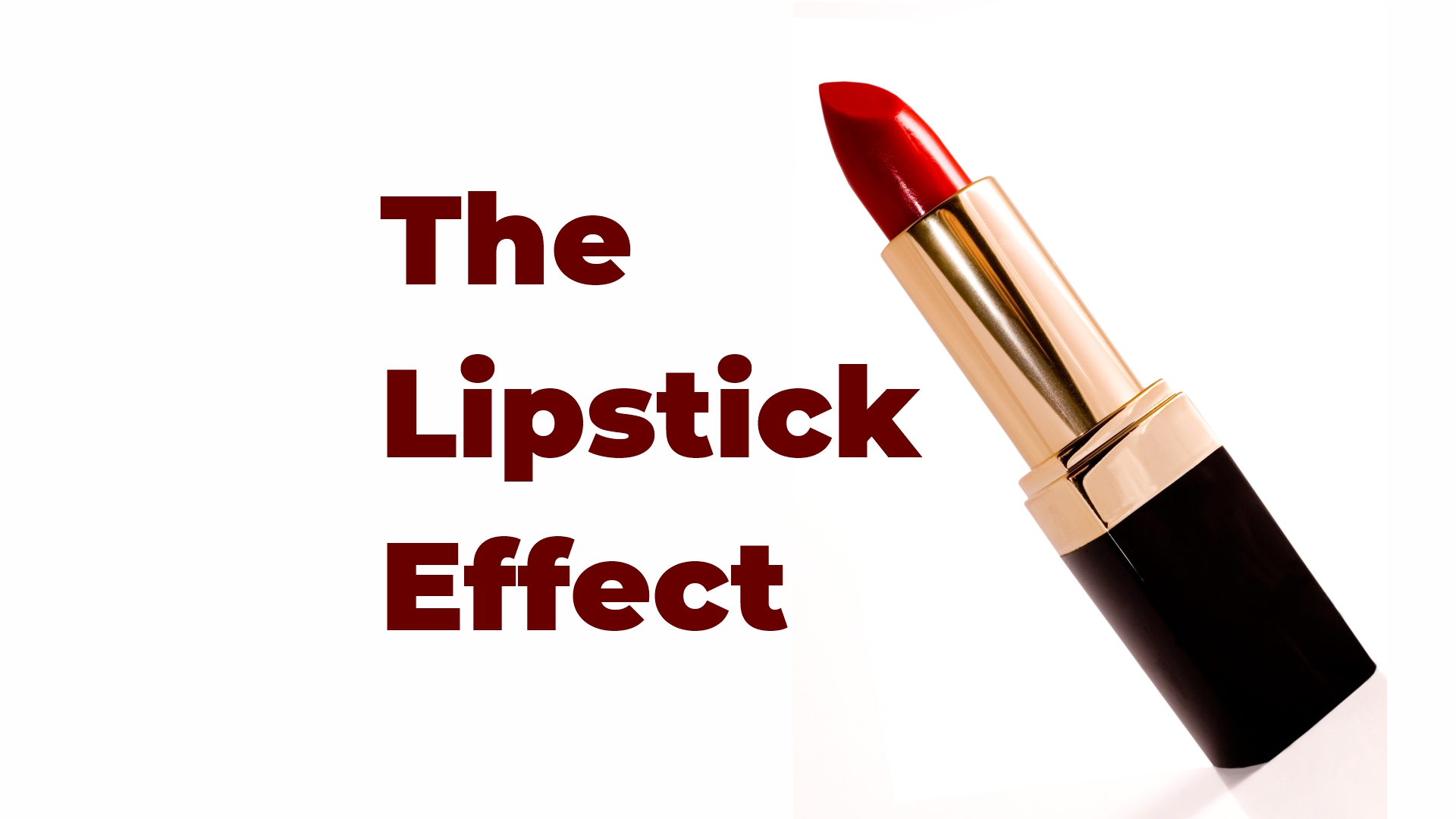
Economists have long talked about the “lipstick effect,” the idea that during uncertain times people still spend, but on smaller luxuries they can justify.
In 2026, that thinking has moved into the home.
If a family has accepted that they are not moving in the next three to five years because of interest rates, rental costs, or mortgage resets, they start looking at their current surroundings differently. A full kitchen renovation may be off the table, but new lighting, better hardware, quality linens, a beautiful backsplash, or custom window treatments suddenly feel worth it. Why? Because it gives them back a sense of control. When you cannot control the economy, the government, or the banks, you can at least control the color of your walls, the comfort of your bedroom, and the feeling you get when you walk through the door. This is not just decorating. It is part emotional relief, part practical decision-making.
When the Economy Feels Gray, Homes Get Warmer
History repeatably shows us when life feels unstable, people look for comfort and grounding at home. In the late 1970s, during inflation and the energy crisis, we saw earthy tones take over. Harvest gold, avocado, ochre. Not just because they were fashionable, but because they felt warm, organic, and reassuring. Then, in the early 1990s, after the excess of neon colors and plastic of 1980s faded and recession hit, again people turned toward richer, more traditional interiors. Forest green, burgundy, navy. Colors that suggested permanence and substance.
Well, in 2026, we are seeing a modern version of that same instinct.
For years now much of the industry leaned into cold minimalism. Gray, white, sparse, and often stripped of personality. Now the mood is shifting. People want more depth, more warmth, more emotional weight. Soft whites are being layered with richer tones. Jewel shades, terracotta, deep teal, olive, and earthy neutrals are making rooms feel more grounded and protective. It is less about impressing someone and more about feeling hugged by the space you live in.
The Return of Cocooning
This shift toward the “Staying-put” sanctuary is actually the modern evolution of a concept coined by futurist Faith Popcorn: Cocooning. She predicted that when the outside world feels unpredictable or harsh, we have a fundamental human impulse to retreat into our homes, building a protective shell around ourselves and our families. In 2026, that prediction has hit its peak. We aren’t just “staying home” we are digging a moat and closing the drawbridge! People want their home to do more than function. They want it to calm them down; and this is why we are seeing such a strong move toward what I would call sanctuary living. Not sterile perfection. Not minimalism for the sake of appearance. But rooms that feel layered, personal, and emotionally supportive. It also explains why sensory design matters more now. It is no longer only about how a room looks. It is about how it feels. Soft textures. Better lighting. Acoustic comfort. Privacy. Spaces that reduce visual noise and emotional friction. These choices are not frivolous. They are part of how people are coping.
Targeted Improvements, Not Total Overhauls
What is interesting is that people are still spending, just more selectively.
Rather than gutting a property, they are making strategic improvements that solve real problems and improve daily life. They are creating zones of comfort and usefulness within the footprint they already have. 2026 data shows spending for “targeted upgrades is projected to be $520 BILLION, annually.
Whether it’s targeted improvements indoors or creating a “Micro-Resort” outdoors, people are proving that while they might be postponing a big purchase, they aren’t postponing their need for beauty, comfort, and security. This is a strategic approach to improving their life, by creating “zones” of peace. An unused corner of a bedroom gets a window seat or a chaise for a reading or snooze nook; a landing becomes a functional home office, or a tired deck becomes an outside room. It’s about making every square inch of the existing footprint work harder.
That is where professionals have an opportunity. Clients may not be ready for a $100,000 renovation, but they are often very ready for thoughtful upgrades that change how they live.
The Backyard as the New Escape Plan
One of the strongest shifts we are seeing is outdoors. When the big trip is not happening, if a cottage rental is off the table, and travel anywhere feels too expensive & unsafe, people start looking at their backyard differently. It becomes the controllable version of escape. That travel money is now going into their own micro-resort. We are seeing more investment in fire & water features, pizza ovens, plunge pools, lounge zones, dining areas, shade, privacy screening, and layered landscape design. These are not just outdoor trends; they are emotional ones.
People want a place to gather, rest, entertain, and recover without leaving their property. Privacy also matters more than ever. Decorative screens, cedars, fencing, and water features are not only about aesthetics. They create separation from noise, neighbors, and stress. They help people feel protected. In uncertain times, privacy becomes its own kind of luxury.
Life Value Is the New ROI
For years, our industry has talked mainly about resale value. But right now, many homeowners are thinking in a different way. They are weighing life value. If a decor refresh, better lighting plan, upgraded outdoor area, or more functional room layout makes a property more enjoyable for the next several years, that has real value. It may also save them from making a rushed move, taking on more debt, or living in daily frustration. That is a return on investment people can feel immediately. Even for those who may sell later, keeping the property updated and visually strong is still a smart move. But the motivation today is livability, comfort, and peace of mind.
The Home Has Become a Refuge Again
So, the 2026 home, is no longer just an asset or a stepping stone to the next one. It
has gone back to being what it used to be and should have been all along: a refuge. People are investing in the one place they can still shape and control; and that is exactly why this market matters. If you work in decorating, design, or staging, this is not the time to speak only about resale. It is the time to speak about how a space supports life now, because in times like these, a beautiful property is not just a luxury. It is an anchor.
If your clients are staying put longer, they still need guidance on how to make their property work harder, feel better, and support the life they are living now. That creates opportunity for professionals who understand both the emotional and practical side of design. From our Residential Decorating Consultant program to our Certified Outdoor Property Consultant training, we are focused on helping you meet this moment with confidence.











 Subscribe Today!