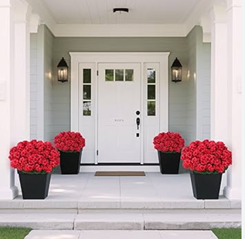
 Outdoor staging has grown up. It’s no longer a token plant at the front door and a fresh doormat. Today’s buyers are shopping for lifestyle, and outdoor space has become a big part of the emotional decision to buy. Even a small patio, balcony, porch, or yard can nudge a buyer from “nice house” to “I can picture us here.”
What’s changed the most is this: outdoor staging isn’t one moment anymore. Buyers aren’t just glancing at the porch. They’re scanning the full experience. The approach to the front door. The view from the main living area. The balcony off the bedroom. The yard they’ll actually use. If there are multiple outdoor areas, each one has to feel intentional — not overdone, not ignored, and definitely not risky.
Outdoor Staging Reality
Anything you stage outdoors must be able to survive wind + sun + surprise rain + repeated showings. If it can’t, it’s not staging. It’s a photo prop. That doesn’t mean you avoid cushions, rugs, lanterns, or lamps. It means you choose and place them like a pro. And that’s where I’m hearing the same three objections from stagers lately.
“I’m not using cushions. They’ll get sun damaged.”
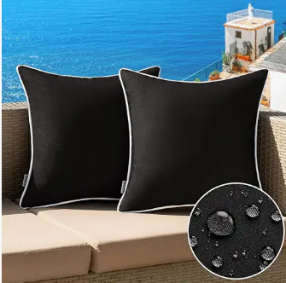 I get it. Outdoor textiles can be expensive and sun damage is real. But the answer isn’t “no cushions.” Because the space will look flat, read unfinished and weakens the message. The answer is choosing smarter materials and using them strategically. Instead use fade-tolerant, outdoor-rated cushions this four pack is only $20, or these for $26, they photograph as sophisticated and don’t show wear as fast. Avoid bright reds and high contrast prints outdoors as they look loud, cheap and will fade faster.
“How To Keep Them Looking Good for Showings:
- Choose fabrics marketed for outdoor/UV and textures that hide minor wear.
- If the area is fully exposed and/or the listing will have heavy traffic, shift your softness to durable layers: a textured lumbar, a neutral seat pad, or a heavier woven throw that can take light moisture.
- For occupied listings, create a simple homeowner instruction sheet: “Bring cushions in at night / during rain or strong winds.”
- The goal is to include the comfort cues that can live outside
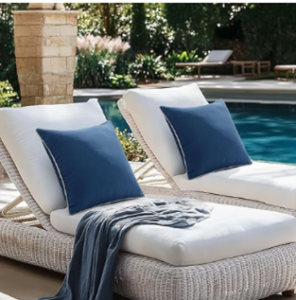 Rotate in pieces that you’ve built into your inventory as “outdoor wear-and-tear friendly.” Use outdoor cushion covers to breath new life into old indoor cushions It’s the same logic as any staging inventory: some items are statement pieces, and some are workhorses. You don’t need a lot. You just need enough softness for the buyer to feel it.
“How Do You Stop Things Blowing Around Once it’s Staged?”
This is a real issue, and it’s why outdoor staging should be approached like a professional install, not just a pretty setup.
Outdoors, anything lightweight becomes a liability. One windy afternoon can make the entire listing look neglected, or worse, something breaks, creating a safety issue. So, we stage stability on purpose. Choose pieces with enough weight to stay put, and a low center of gravity near railings and open edges. Keep accessories intentional and substantial, not fussy and light (no dollar store items)
Style with “anchors” that look like design, aka strategically placed planters, heavier lanterns, solid side table, a storage bench that makes sense for the space. Use discreet weights on drapes, throws, even rugs. The goal is that your outdoor staging photographs like a lifestyle, but it functions like reality. The moment it turns into scattered objects and constant maintenance, you’ve lost the buyer’s emotional connection and the agent’s confidence.
“What About Bad Weather? We Don’t All Live in California.”
Exactly. Outdoor staging still sells a dream — but it has to be a dream that survives your climate. The trick is not fantasy versus reality. The trick is aspirational and plausible. Covered areas matter. Wind exposure matters. Slippery surfaces matter. Muddy season matters. If a space only looks good on one perfect day, it’s not doing its job.
In many markets, the smartest approach is to build the outdoor lifestyle message through layout and zones first, then add just enough durable comfort to make the space feel inviting. Choose materials that can handle moisture, keep accessories restrained, and never leave anything behind that will look like a mess by day three. Outdoor staging is not just decoration. It’s risk management and reputation management. It’s helping the property show well, photograph well, and still feel safe and cared for when buyers tour.
Outdoor Staging is About Creating a Sequence of Moments
A front door moment is different than a backyard moment. A balcony moment is different than a terrace moment. What matters is that each space communicates something clear. The front approach should feel welcoming and maintained. The balcony should feel like a small lifestyle escape. The backyard should feel useable, not empty. And if the outdoor area is small, then clarity matters even more, because buyers need help understanding how it functions.
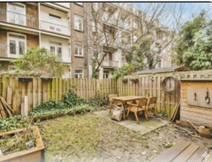
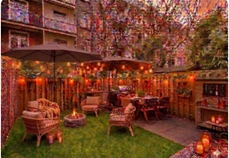
That’s why “outside staging” is more than plants. It’s space planning, flow, comfort cues, and the emotional message that life will feel better here.
So, no — you don’t need red geraniums. You need intention. You need outdoor spaces to read calm, usable, and believable for the property and the buyer. When you do that well, you don’t just improve curb appeal. You help the photos sell the lifestyle, and that’s when perceived value rises.













 Subscribe Today!