I’ve been teaching “wellness in the property” for a long time, back when most people heard the word wellness and pictured a luxury spa or a celebrity gym. Now it’s everywhere. It’s in buyer conversations, builder marketing, renovation choices, and even listing language.
And yet, when I look at what much of our industry is still doing, I see staging decisions that haven’t changed in years. The styling may look fresh, but the thinking often isn’t. We’re still staging as if the buyer is the same buyer we were speaking to in the mid-2010s. In many markets, that’s no longer true.
Zillow has reported a meaningful year-over-year lift in listing descriptions that mention “wellness features.” That’s not a fringe signal; that’s mainstream language now. At the same time, the buyer profile keeps shifting. The median age of first-time buyers is now 40, and repeat buyers dominate the market.
So, if you put those realities together, the message is clear: the buyer is changing, and what they want from a property is changing with them. Our industry needs to respond.
Wellness is not a sauna. It’s the feeling the property gives you.
Let’s get one thing out of the way. Wellness real estate does not mean every seller needs to install a cold plunge or build a gym. Those are headline features, and for the right property they can be impressive. But most of the time, wellness is much simpler than that. Wellness is a buyer’s way of saying, “I want my space to support my life.”
It’s the feeling you get when a bedroom is calm enough that you can imagine sleeping well there. It’s the relief of walking into a property and not feeling visual stress. It’s noticing there’s room to move, breathe, stretch, read, work, host friends, recover from a long day, and still have the property feel organized and easy. That’s why this matters so much for stagers and decorators. Because we don’t need a remodeling budget to create those signals. We need a new lens, and we need to stage with purpose. The buyer isn’t “the millennial buyer” by default anymore.
For a long time, the industry talked as though the buyer was always a young first-timer. That influenced everything: open concept worship, trendy finishes, styling that leaned heavily on what photographed well on social media.
But today’s buying pool includes a lot more 40+ buyers, move-up buyers, blended families, and people making bigger lifestyle decisions. This doesn’t mean younger buyers don’t matter. It means that in many markets, we’re increasingly speaking to buyers who are not shopping for a starter property or a “first adult property.” They’re shopping for their next phase. They’re thinking about comfort, privacy, daily routines, longevity, and how the property will feel to live in for years, not months. And when a buyer thinks that way, the “wow” factor changes.
A wide-open main floor with nowhere to put anything can feel stressful, not aspirational. A bonus room with no clear purpose can read as wasted space. A bedroom that looks “styled” but not restful can fall flat, even if the bedding is pretty. That’s why the industry needs a reset. We can’t keep staging as if the buyer’s priorities haven’t evolved.
Buyer psychology has always been the job. We just stopped saying it out loud.
Here’s what I want the industry to remember: buyers buy with emotion first, then justify with logic. That’s not new. What’s new is which emotions are doing the heavy lifting right now. For years, staging leaned hard on the emotion of “new and trendy.” That worked when buyers were shopping for the lifestyle upgrade that looked good online and felt modern in person. But more and more, the emotion that closes the deal is: relief.
Relief looks like: “This feels easy to live in.” “This feels calm.”
- “This feels like I can handle my life here.” “This feels like a fresh start.”
Wellness is simply the real estate version of relief. It’s not a buzzword. It’s a buyer need. And when you stage through that lens, you stop decorating rooms and start removing buyer resistance. You’re not trying to impress them. You’re helping them exhale. That’s buyer psychology. Purpose is the new luxury.
Buyers respond more strongly to spaces that clearly support a lifestyle. Not a fantasy lifestyle. Real lifestyle. A flexible den that reads as a quiet work space, a reading space, or a decompression space is more valuable than a vague “extra room.” A basement that feels like a destination is more compelling than a basement that feels like overflow. A small corner that suggests a morning routine can be the detail that makes a buyer feel like the property will support their life.
This is also why “activity spaces” are getting so much attention right now. Some examples are dramatic, and some are completely practical. Either way, the message underneath is the same: buyers want spaces that work.
Open concept is being corrected. Buyers still want openness, but they also want separation. They want defined zones. They want a sense of “place” for different parts of daily life. For stagers, that translates into a simple rule: if you don’t define the space, the buyer will feel unsure.
And “unsure” is the enemy of offers.
If an open area has no obvious purpose, it doesn’t read as spacious, it reads as awkward. If a flex room is staged as a dumping ground or left empty, it doesn’t read as flexible, it reads as “I have to figure this out.” If a bedroom is visually busy, it doesn’t read as styled, it reads as restless.
So yes, we need beautiful styling. But we also need clarity. Clarity sells.
A wellness walk-through (how I look at a property in real time)
When I walk into a property, I’m not just scanning for what looks dated. I’m scanning for what will create stress in the buyer’s body, even if they can’t explain it.
I start at the entry because that’s where the buyer decides, subconsciously, whether the property feels welcoming or chaotic. Is there a clean landing spot? Is the path obvious? Does the lighting feel warm and steady, or harsh and inconsistent? Then I look at the main living area and I ask one question: is the space telling the buyer what life looks like here, or are we making them work too hard to imagine it?
From there, I pay close attention to the “recovery” zones: the primary bedroom and bath. The bedroom must read as calm, not busy. It should feel like you can sleep deeply there, not like you’re staying in a staged display(give up those cushions!). In the bath, I’m not looking for luxury finishes. I’m looking for cues that say: clean, restored, simple, and taken care of.
Then I move to the flex spaces: the extra bedroom, the loft, the basement, the awkward nook that sellers often ignore. This is where wellness staging wins. Those areas don’t need more furniture. They need a purpose that matches how today’s buyers live: work privacy, hobby space, a quiet reading spot, a place to stretch, a place to host friends without feeling cramped.
By the time I’m done, I don’t want the buyer thinking, “Nice staging.” I want them thinking, “This feels like my life would work here.” That is the moment offers are born. This is where the staging industry has to change its thinking.
This is the part that I believe should turn the industry on its head, because it changes the goal of staging.
The goal is not to make every property look like a magazine spread. The goal is to help the buyer feel, quickly, that the property will support them.
That means we have to stop asking, “What furniture do I put here?” and start asking, “What does this space allow someone’s life to look like?”
A chair and lamp in the corner is not filler. It can be the signal of evening quiet. A clean entry moment is not decor. It can be the signal of calm arrivals and organized departures. A simple, intentional desk setup in a den is not just a desk. It tells the buyer, “You can work here without taking over the dining table.” And we have to elevate the spaces that truly carry wellness in the buyer’s mind.
Bedrooms need to feel like recovery. That is not a styling detail, it’s a selling strategy. Bathrooms matter more than we sometimes admit. Not because everyone expects a full renovation, but because buyers are craving spa cues and calm. Lighting needs to become a bigger conversation in staging, not as a technical issue, but as a wellness issue. Harsh overhead-only lighting creates stress. Mixed color temperatures create irritation. Layered lighting creates ease. This isn’t a fad. It’s the direction of the market.
If you zoom out, the wellness economy is not a small story. The broader category of wellness real estate is projected to grow dramatically in the next few years. That doesn’t mean every property will have wellness amenities. It means the mindset is being trained into buyers. They are learning to shop through a new filter: “Will this place support me?”
And we have a choice. We can keep staging as if the buyer’s emotional triggers haven’t changed, or we can align our work with what is actually driving decisions today. The opportunity is bigger than people realize.
This shift is not bad news for our industry. It’s an opportunity to become more valuable.
When you stage through a wellness lens, you stop competing only on “how pretty it looks.” You start competing on relevance. You give agents stronger language, because you’re not selling decor, you’re selling outcomes. You give buyers clarity, because you’re not leaving spaces undefined, you’re showing them how the property will live.
It also changes the frame in occupied properties. When you explain that you’re not just moving furniture around, you’re creating lifestyle zones that make the property feel easier and more supportive, people listen differently. It becomes about equity protection and buyer psychology, not “throw pillows.”
Wellness real estate is here. The buyer is changing. And if staging is meant to help buyers connect emotionally and commit confidently, then our industry has to evolve. The new standard is not “Instagram cute.”
The new standard is: “This property will make life better.”
That is what today’s buyers are responding to, and it’s what the best stagers and decorators will learn to stage for.
Wellness Real Estate Is Here. Why Staging Must Catch Up.
Wellness real estate is no longer a niche conversation reserved for luxury new builds and high-end renovations. It has crossed into everyday buyer expectations and listing language. Zillow’s recent trends reporting shows mentions of “wellness features” rising 33% in listing descriptions, and “spa-inspired bathrooms” appearing 22% more often. (PR Newswire)
That matters for us, because staging has always been about helping buyers see themselves living in a property. If the buyer’s definition of “a great property” has changed, then our industry has to change with it.
Here’s the problem: wellness is now everywhere in real estate media and consumer demand, but it is still strangely underrepresented in staging education and in many staging decisions on the ground. Too often we’re still selling “pretty rooms” while buyers are looking for spaces that support routines: movement, recovery, focus, calm, and connection.
At the same time, the target buyer profile has shifted in ways that directly impact what we should stage for. The National Association of Realtors’ latest Profile of Home Buyers and Sellers reports a median age of 40 for first-time buyers and 62 for repeat buyers, with repeat buyers making up 79% of all buyers. (National Association of REALTORS®)
That doesn’t mean younger buyers don’t matter. It does mean that in many markets, we are increasingly selling to people who are not furnishing their first apartment-style life. They are buying for their next chapter: a better daily experience, fewer friction points, and spaces that make life easier.
This is why I believe the staging industry needs a reset.
Wellness is not a sauna. It’s a signal.
Let’s clarify a common misunderstanding. When people hear “wellness real estate,” they jump to headline amenities: infrared saunas, cold plunges, steam showers, golf simulators. Those can be real features in higher-end properties, but that is not the heart of the trend.
Wellness is a buyer’s shorthand for: This property will help me feel better.
It signals:
- better sleep
- lower stress
- healthy routines that are easier to maintain
- fewer daily irritations
- spaces that feel restorative instead of chaotic
And here’s the best part for stagers and decorators: you don’t need a remodeling budget to stage wellness. You need a trained eye and a new set of priorities.
The buyer has changed, so the “what matters” list has changed
A first-time millennial buyer stereotype dominated design chatter for years: open concept, a big island, a few trendy finishes, and a photo-ready look.
But today’s buying pool includes more move-up buyers, later-life buyers, blended families, and people who work from home in a more permanent way. NAR’s data underscores the age reality in the market right now: older median ages and a buyer pool dominated by repeat purchasers. (National Association of REALTORS®)
What does that change?
Many 40+ buyers are more sensitive to:
- privacy and quiet (not just “open and airy”)
- sleep quality (bedrooms that feel genuinely calming)
- recovery and self-care (bathrooms that read as restorative)
- daily movement (space to stretch, store gear, shower, reset)
- meaningful entertaining (not a formal dining room that no one uses)
- flexibility (rooms that can shift with life over the next decade)
They are not just buying square footage. They are buying a system for living.
The rise of purpose-driven spaces
Zillow’s trend reporting points to “spaces that truly live” showing up in listings: reading nooks, spa-like bathrooms, and even sport-focused features like golf simulators. (Zillow Group)
You can roll your eyes at the flashier examples, but don’t miss the underlying message: buyers respond to spaces with a clear job.
This is exactly why “activity centers” and lifestyle zones are gaining traction:
- a quiet den that reads as a work space and decompression space
- a finished basement that feels like a destination, not overflow storage
- a corner that supports yoga, stretching, or a simple morning routine
- a “listening lounge” moment or a small bar vignette that signals at-home entertaining
- a hobby zone that suggests identity and joy, not clutter
These don’t have to be huge rooms. They have to be staged with intention.
Layout trends are supporting this shift
The industry spent years worshipping open concept. Now we’re seeing a practical correction: buyers want openness, but they also want separation. That’s why broken-plan living and “zoned openness” are appearing more often in both design coverage and property marketing.
In plain staging terms: we can’t leave spaces undefined anymore.
When an open area doesn’t have clear edges, it reads as:
- wasted space
- awkward furniture placement
- visual stress
- “we don’t know what to do here”
In 2026, “we don’t know what to do here” is expensive.
What stagers must do differently (starting now)
This is the part I want the industry to absorb: wellness real estate is not a trend you can “add on.” It changes the lens through which we stage every property.
Here are the shifts that matter most.
1) Stop staging rooms. Start staging routines.
Instead of asking, “How do I make this look pretty?” ask:
- What routine happens here?
- What time of day is this space used?
- What is the emotional payoff for the buyer?
Examples:
- A chair-and-ottoman moment with a small table and lamp isn’t “extra furniture.” It’s “evening decompression.”
- A tidy console near an entry with a tray, hooks, and a small bench signals “organized arrival,” which reads as calm.
- A simple stretch/yoga corner in a flex room signals “I can keep promises to myself in this property.”
2) Make zoning the star of the show.
Wellness buyers want spaces that feel easy. Ease is created through zoning:
- define conversation areas
- define work zones
- define reading/quiet corners
- define play or hobby areas without visual chaos
Furniture placement is no longer just aesthetics. It is architecture.
3) Treat lighting as a wellness tool, not an afterthought.
Lighting is one of the fastest ways to shift a property from “fine” to “feels good.”
- reduce harsh overhead dependence
- use layered lighting (table lamps + floor lamps + warm ambient)
- keep bulb temperatures consistent so the property feels cohesive
Even Zillow’s consumer-facing trend summaries are calling out wellness spaces and the atmosphere around them. (Zillow)
4) Elevate the bedroom from “styled” to “restorative.”
A wellness-forward bedroom is not about trendy bedding. It’s about:
- visual quiet (less clutter, fewer competing patterns)
- grounded scale (properly sized nightstands and lamps)
- calm art choices
- clean surfaces
The bedroom is recovery. Stage it that way.
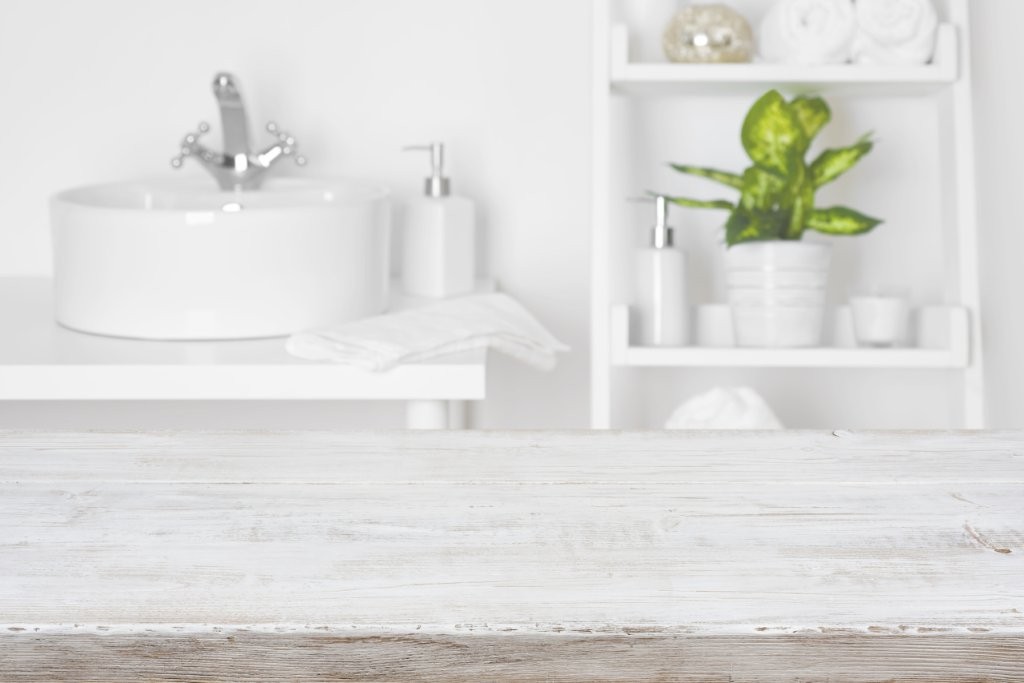
5) Bathrooms must signal daily restoration.
You don’t need a renovation to stage a spa cue:
- plush, simple towels (think hotel, not decorative overload)
- clear counters and clean lines
- one intentional accessory moment, not ten
- lighting that flatters the room, not just brightens it
The rise in “spa-inspired bathroom” mentions isn’t random. It’s telling you what buyers are hunting for. (PR Newswire)
6) Build “mental breathing room” into every space.
Wellness is also cognitive. Too much visual noise reads as stress.
- reduce over-accessorizing
- simplify surfaces
- keep pathways clean and obvious
- avoid furniture that makes a room feel tight
This is where decorators have a quiet advantage: you already understand visual rest. Apply it as a selling tool.
7) Outdoor space is not a bonus anymore.
Even a small patio must read as usable. Wellness isn’t confined indoors.
- one defined seating moment
- a clean, intentional view
- simple lighting
- greenery that feels maintained, not wild
The property should feel like it supports life beyond the walls.
Why this is bigger than staging: the market is moving
If you want the “why now” in business terms, look at where the broader real estate economy is heading. The Global Wellness Institute reports the wellness real estate market reached $584B in 2024 and is forecast to grow to $1.1T by 2029. (Global Wellness Institute)
Whether or not a specific seller has a sauna is irrelevant. The buyer’s mindset is being trained by this movement. They are learning to shop for properties through a new filter: Will this space support me?
And that is exactly where staging can become more valuable, not less.
What this means for your business (and why it’s an opportunity)
If you’re a stager or decorator, this shift is not bad news. It’s a lane.
Wellness-forward staging gives you:
- stronger consult language (you’re selling outcomes, not décor)
- clearer recommendations (zoning, lighting, flow, recovery cues)
- more differentiated packages (especially for occupied properties)
- better alignment with agents who want a modern message
It also protects you from competing on price alone, because you’re no longer selling “pretty.” You’re selling relevance.
The bottom line
Wellness real estate is not coming. It’s here, in the language buyers are using and the features sellers are highlighting. (PR Newswire)
And with the buyer pool skewing older and dominated by repeat buyers, it’s time to stop staging as if the market is still driven by a first-time buyer fantasy. (National Association of REALTORS®)
Our industry was built on the idea that buyers buy with emotion first, logic second. That has not changed.
What has changed is what creates emotion.
In 2026, the strongest emotional trigger isn’t “This is Instagram cute.”
It’s: “This property will make my life better.”












 Subscribe Today!